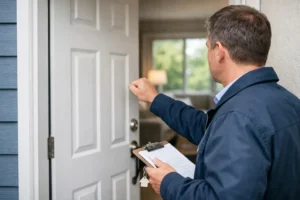
A Michigan Section 8 guide should start with one fact: voucher tenants can be a reliable part of your rental strategy when your screening, unit condition, documentation, and rent approval process are controlled. The program does add steps before move-in, but it can also create a defined payment process and a wider applicant pool for qualifying homes and apartments.
Michigan Section 8 Guide for Rental Owners
Section 8 usually refers to the federal Housing Choice Voucher program. A local public housing agency, often called a PHA, administers the voucher, determines the tenant’s subsidy, inspects the unit, and pays the approved housing assistance payment to the owner. The tenant pays the remaining approved share of rent and any tenant-paid utilities.
For owners in Oakland, Macomb, Wayne, Washtenaw, Livingston, and Genesee counties, the administering agency can vary by property location and program availability. Michigan State Housing Development Authority administers vouchers in many areas, while some cities and counties have their own housing agencies. Do not assume that a process, form, inspection timeline, or payment schedule from one agency applies to another.
The owner’s job is still to run a sound rental operation. You set a market-supported asking rent, apply one written screening standard to every applicant, maintain the property, enforce the lease, and document the file. The voucher does not replace management discipline.
Can Michigan owners refuse Section 8 applicants?
In most covered Michigan rental transactions, an owner cannot reject an otherwise qualified applicant because they use a housing voucher or another lawful source of income. Michigan’s Elliott-Larsen Civil Rights Act includes source of income protections in real estate transactions.
That does not mean voucher applicants must be approved without screening. Owners can evaluate rental history, income requirements for the tenant-paid portion where appropriate, credit criteria, lease compliance history, and other lawful factors under the same standard applied to every applicant. The key is consistency. A policy that is acceptable for an unassisted applicant should be applied the same way to a voucher applicant.
There are limited exceptions and fact-specific issues under fair housing law, particularly with certain owner-occupied housing. Do not build a leasing policy around a broad assumption that a property is exempt. Review the current Michigan Civil Rights Commission guidance and get legal advice before declining an applicant based on any protected status or source of income.
A clean written screening policy protects your portfolio. It also gives leasing staff a clear process: document the application, verify information, apply the standard, and retain the decision record. Avoid informal exceptions, shifting criteria, or statements that suggest the voucher itself influenced the decision.
What happens after a voucher tenant is approved?
After you approve the applicant, the tenant and owner submit the tenancy approval paperwork required by the local housing agency. The agency reviews the proposed rent, utility responsibility, household information, lease terms, and property details. It then schedules an initial inspection or provides instructions for the next step.
The unit cannot receive housing assistance until the PHA approves the tenancy and the home passes inspection. Owners should not treat a verbal approval, a submitted packet, or an inspection appointment as a completed lease-up. Set expectations early with the applicant about the sequence and avoid promising a move-in date until the agency’s required approvals are in place.
Once approved, the owner signs a Housing Assistance Payments contract with the PHA. The tenant signs the lease, including the required HUD tenancy addendum. If a lease term conflicts with the HUD-required addendum, the addendum controls.
Keep a complete file with the signed lease, tenancy addendum, inspection records, rent approval notices, communications about repairs, payment records, and renewal documents. This is not paperwork for paperwork’s sake. It gives you a defensible operating record if there is a payment question, damage dispute, inspection issue, or lease enforcement matter later.
How does Section 8 rent approval work?
The rent you advertise is not automatically the rent the PHA will approve. The agency reviews whether the proposed contract rent is reasonable compared with similar unassisted rentals and whether it fits the voucher household’s affordability calculation. Utility allowances matter because tenant-paid utilities affect the total housing cost.
This review creates a practical trade-off for owners. A unit may command a certain rent in a fast-moving market, but the PHA may request comparable rentals, question the condition or amenities, or approve a lower amount. Prepare support for your proposed rent before submitting the packet. Document bedrooms, bathrooms, square footage, updates, parking, laundry, appliances, outdoor space, and the unit’s actual condition.
Do not make up a difference between an approved rent and the rent you wanted by charging the tenant an extra monthly amount outside the lease and PHA-approved structure. The total rent arrangement must be transparent. Side payments create compliance risk and can jeopardize assistance payments.
Rent increases also require planning. The lease, HAP contract, and local PHA rules control the notice and approval process. A market increase may still be denied or adjusted if it does not meet rent-reasonableness requirements. Build voucher renewal dates and required notices into your lease calendar instead of discovering the deadline after the renewal window has passed.
What does a Section 8 inspection look for?
The initial inspection confirms that the unit meets HUD’s current physical-condition standards and the PHA’s inspection procedures. The inspection is not a cosmetic review. It focuses on whether the home is safe, sanitary, functional, and suitable for occupancy.
Common failure points are usually operational, not complicated: missing or inoperable smoke alarms, carbon monoxide alarm issues where required, exposed wiring, loose handrails, broken windows, plumbing leaks, nonworking outlets, damaged flooring that creates a hazard, peeling paint in older properties, or appliances and heating equipment that do not operate as intended.
For Southeast Michigan owners, weather exposure deserves extra attention. Test the furnace before the cold season, confirm windows close and lock, correct water intrusion, keep exterior steps and rails secure, and address deteriorated exterior surfaces. A failed inspection can delay occupancy and extend vacancy, especially if repairs, reinspection scheduling, and agency processing all stack up.
Use a pre-inspection process before submitting the tenancy packet. Walk the unit with a maintenance checklist, test every required system, photograph the completed condition, and correct defects before the inspector finds them. A well-maintained unit also reduces service calls after move-in and helps preserve the asset over the life of the tenancy.
Who is responsible for repairs and tenant damage?
The owner remains responsible for owner obligations under the lease, HAP contract, and applicable housing standards. That includes timely repair work needed to keep the unit compliant. The tenant remains responsible for lease obligations, including damage caused by the tenant, household members, or guests when the lease makes them responsible.
The voucher does not insure the property or erase the need for clear lease enforcement. Handle damage with the same documentation you would use in any rental: move-in condition records, maintenance findings, photographs, invoices, written notices, and accurate accounting. If a repair issue creates a health or safety concern, move quickly. Delays can affect the tenant’s housing assistance and your payment stream.
Michigan’s Security Deposit Act governs security deposits, including the maximum amount an owner may require and how deposits must be handled. The owner holds the security deposit, not the housing agency. Voucher participation does not change the need to follow Michigan deposit rules and the lease terms.
How should owners manage Section 8 payments?
Housing assistance payments can improve payment visibility, but they do not eliminate collections work. The PHA payment is only one part of the rent. Track the agency payment and the tenant portion separately, reconcile both against the ledger, and follow up promptly when the tenant balance is late.
Also monitor changes in household income, composition, or voucher status that may alter the tenant share. The PHA determines subsidy changes, but owners need a reliable process for reading notices, updating ledgers when authorized, and preserving records. Do not rely on assumptions about what the tenant says their portion will be.
The strongest operating model is consistent across all rentals: clear lease terms, early communication, documented maintenance, regular inspections, and prompt action when rent is unpaid or lease violations continue. Voucher tenancy is a leasing channel, not a different standard for running your properties.
Frequently Asked Questions
Can I require a security deposit from a Section 8 tenant in Michigan?
Yes, an owner may generally require a security deposit, subject to Michigan’s Security Deposit Act and the terms of the tenancy. The PHA does not pay or hold the owner’s security deposit.
Does a Section 8 inspection guarantee that the property will stay in good condition?
No. An inspection confirms compliance at a point in time. Ongoing maintenance, tenant communication, periodic property checks, and documented lease enforcement still protect the condition of the home.
Can a Section 8 tenant be evicted for nonpayment or lease violations?
A voucher tenant is still bound by the lease. Any termination or eviction must follow the lease, HAP contract requirements, HUD rules, and Michigan law. Use qualified legal guidance before taking action.
Can I raise rent on a Section 8 rental?
Possibly, but the increase must follow the lease and PHA process and remain supportable under rent-reasonableness review. Plan ahead because approval is not automatic.
A voucher rental performs best when it is treated as a controlled business process, not a paperwork exception. Set the standard before the first showing, prepare the unit before the first inspection, and keep the same disciplined records that protect every property in your portfolio.
Tools for Rental Owners
Find out what your home could rent for, then run the numbers.
- How our pricing works
- Rental property ROI calculator
- Rent vs. sell calculator
- Vacancy loss calculator
- Management savings calculator
- Metro Detroit rent report
- Michigan Landlord Guide
- Out-of-state owners