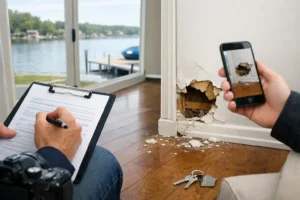
A unit looks empty, rent is overdue, and the former resident has stopped responding. Then you open the door and find furniture, clothing, boxes, and electronics still inside. Michigan abandoned tenant belongings are not simply a cleanup issue. One rushed decision can create a possession dispute, delay a turnover, and expose an owner to a claim that valuable property was discarded or withheld.
For rental owners in Oakland, Macomb, and Wayne counties, the right response is disciplined fact-finding. The goal is to regain control of the home lawfully, preserve evidence, protect the resident’s property rights, and get the unit back to rent-ready condition without creating avoidable legal risk.
Abandonment, surrender, and eviction are not the same
The most expensive mistakes usually begin with an assumption: the tenant has not been seen for days, so the home must be abandoned. Absence alone is not enough. A resident may be traveling, hospitalized, deployed, or temporarily staying elsewhere. Unpaid rent, disconnected utilities, a full mailbox, or a neighbor’s observation can be relevant facts, but none should be treated as conclusive by itself.
A surrender is different. This occurs when the resident clearly returns possession, often by providing keys and communicating that the tenancy has ended. A written surrender agreement or other clear written confirmation reduces uncertainty, but it still does not automatically answer what should happen to personal property left in the unit.
An eviction is different again. In Michigan, a landlord generally cannot use self-help to remove a tenant, change locks, shut off utilities, or interfere with possession because rent is unpaid or the tenant appears to have left. When a court case is required, possession should be recovered through the court process and enforcement procedures. A judgment or order related to possession does not necessarily mean an owner should treat every remaining item as trash without confirming the appropriate next step.
That distinction matters because belongings can range from obvious refuse to property with meaningful value. A bag of spoiled food and a bedroom set should not be handled with the same assumptions.
A disciplined response to Michigan abandoned tenant belongings
When a unit may be vacant, slow the process down long enough to create a defensible record. That discipline often saves more time than it costs.
Confirm the status of the tenancy first
Review the lease, payment history, resident communications, inspection records, and any written notice from the resident. Look for direct evidence of surrender, such as a returned key, a move-out message, a forwarding address, or a signed agreement. If the resident has vacated but has not clearly surrendered possession, consult qualified Michigan landlord-tenant counsel before entering, removing property, or re-leasing the home.
If an eviction case is already underway, follow the court’s process rather than creating a parallel move-out process. The court clerk, court officer, or attorney can help clarify the mechanics that apply after an order is issued. Procedures can vary by court and by the circumstances of enforcement.
Secure, inspect, and document without overreaching
Once the owner has lawful access, secure the property against damage, weather, and unauthorized entry. Then document the condition before cleaning, moving, donating, or disposing of anything. Date-stamped photos and video should show each room, closets, garage areas, basement storage, appliances, and exterior spaces.
Create a written inventory that identifies material items, their apparent condition, and where they were found. It does not need to be an appraisal, but it should be specific enough to demonstrate what was present. “Assorted belongings” is weak documentation. “Black leather sofa, two plastic storage bins, dresser, boxed kitchenware, and loose clothing in primary bedroom closet” is far more useful.
Store this file with the lease, notices, text messages, emails, inspection reports, and payment ledger. If the former resident later claims that an item was missing, your records should allow you to answer with facts rather than memory.
Separate trash from personal property carefully
Some materials require immediate action. Perishable food, obvious garbage, items creating a pest issue, or conditions that threaten health or property damage may need prompt removal. Document why the condition required action and photograph the material first when practical.
The harder cases are ordinary household goods, furniture, tools, personal documents, medication, electronics, and items that may have resale value. Do not let frustration over unpaid rent turn into an informal lien on a resident’s possessions. Treating property as payment for a balance due can create significant risk.
Personal records deserve special care. Identification documents, financial records, mail, medical information, and similar items should be secured and handled discreetly. They should not be left exposed during showings, maintenance work, or vendor access.
Use written notice and reasonable storage practices
Michigan law does not offer owners a simple, one-size-fits-all abandoned-property checklist that eliminates judgment in every rental situation. The lease language, evidence of abandonment, the status of any court action, and the type of property left behind all matter. That is why a written notice process and legal review are sensible safeguards when valuable belongings remain.
Send written communication to the former resident using the contact information in your records and any known forwarding address. Identify the property generally, explain where it is being held if it has been moved, provide a clear retrieval process, and state a reasonable deadline consistent with advice from Michigan counsel. Keep copies of every notice and proof of delivery or attempted delivery.
Storage should be secure, dry, and limited to what the situation reasonably requires. An owner does not need to create a permanent warehouse operation, but belongings should not be exposed to theft, rain, or unnecessary damage. Photograph items again when they are moved and keep a record of the people or vendors involved.
Keep the security-deposit process separate
Do not combine the handling of belongings with the handling of a security deposit. Michigan’s Security Deposit Act has its own notice requirements and timelines following termination of occupancy. The tenant’s duty to provide a forwarding address and the landlord’s duties regarding an itemized statement are separate from the question of who owns items left in the rental.
A careful move-out accounting should distinguish unpaid rent, documented damage beyond ordinary wear, lawful charges under the lease, and the cost of cleaning or repairs. It should not quietly absorb the value of a former resident’s possessions. Maintain invoices, photos, inspection notes, and vendor documentation that support every charge.
Why fast turnover still requires patience
Every vacant day affects revenue. Owners understandably want cleaners, maintenance vendors, and leasing teams moving immediately. In communities such as Novi, Troy, Farmington Hills, and West Bloomfield, a well-presented home can lose momentum if it sits unavailable while the market is active.
But an aggressive turnover that skips the possession question can produce a bigger loss. Throwing out belongings, giving them away, or selling them before the owner has a defensible basis can lead to allegations of conversion or property damage. The cost is not limited to the items themselves. It can include legal expense, staff time, delayed leasing, and disruption to the property’s operating plan.
The practical answer is to run two tracks at once. Preserve the legal and documentation record for any belongings while completing work that does not interfere with them, such as exterior maintenance, vendor scheduling, bid collection, or repairs in clearly separate areas when appropriate. This keeps the turnover moving without gambling on a disputed possession issue.
Build a repeatable policy before the next vacancy
A written abandoned-property procedure protects consistency across a portfolio. It should identify who is authorized to determine that a unit may be vacant, who contacts counsel or the court when needed, how photos and inventories are stored, which vendors can move property, and who approves final disposition. It should also require staff to flag high-risk items, including firearms, controlled substances, hazardous materials, personal records, and property that appears unusually valuable.
Lease review is part of that operating system. Clear provisions regarding notice addresses, key return, move-out communication, and property left after tenancy can improve documentation. Lease language should be reviewed for compliance with current Michigan law rather than copied from a generic online form.
For owners managing several homes, the value is not just legal caution. A consistent process improves accountability, reduces missed documentation, and gives maintenance and leasing teams a clear handoff. That supports faster, cleaner turnovers when the facts allow it.
Zamzam Property Management approaches turnover decisions as an asset-protection function: establish lawful possession, document the condition, preserve the record, and move the home toward its next qualified resident with control at every step. When belongings are left behind, the best next move is rarely the fastest-looking one. It is the one that protects the property, respects the process, and leaves the owner with a record strong enough to stand behind.
Tools for Rental Owners
Find out what your home could rent for, then run the numbers.
- How our pricing works
- Rental property ROI calculator
- Rent vs. sell calculator
- Vacancy loss calculator
- Management savings calculator
- Metro Detroit rent report
- Michigan Landlord Guide
- Out-of-state owners