A vacant rental in Novi, a late-night maintenance call in Troy, or an unaddressed lease violation in Farmington Hills can change an otherwise solid month of cash flow. Residential rental management is the operating discipline that keeps those individual events from becoming expensive patterns. For owners, it is not simply about collecting rent or answering resident emails. It is the daily execution that protects the property, supports occupancy, and gives owners reliable visibility into performance.
The right approach looks different for a single-family home in West Bloomfield than for a small multifamily property in Oakland County. But the objective remains consistent: place qualified residents, maintain the asset, collect revenue consistently, document decisions, and respond before manageable issues become costly ones.
Residential Rental Management Is an Investment Function
A rental property produces results through operations. Purchase price and financing matter, but so do the details that occur after a resident moves in: how the home is priced, how quickly inquiries receive a response, whether maintenance is tracked, whether inspections identify problems early, and whether balances are followed up on promptly.
When these responsibilities are handled casually, owners often see the consequences in slower leasing, avoidable turnover, deferred repairs, incomplete records, and more time spent managing crises. A disciplined management process connects each task to an owner outcome. Marketing supports occupancy. Screening supports payment reliability and property care. Preventive maintenance supports asset preservation. Clear reporting supports better decisions.
This is particularly relevant across Metro Detroit’s suburban rental markets, where resident expectations, property condition, local rental demand, and municipal requirements can vary by community. A pricing decision that makes sense for one neighborhood may not fit another. Management must be local enough to recognize those differences and systematic enough to execute consistently.
Start With a Lease-Ready Property and a Defensible Price
The leasing process begins before the listing goes live. A property that is clean, safe, functional, and professionally presented attracts better interest than one with unresolved repairs or unclear expectations. Owners should view make-ready work as a leasing and retention decision, not merely a turnover expense.
That means confirming that appliances, plumbing, heating and cooling systems, locks, smoke alarms, lighting, and exterior access points are functioning as intended. Cosmetic work also matters. Fresh paint where needed, clean flooring, tidy landscaping, and accurate photography signal that the property is managed with care.
Pricing requires the same level of discipline. Setting rent too high can extend vacancy and lead to repeated reductions. Setting it too low may fill the property quickly but leave income on the table for the entire lease term. A useful rental analysis considers comparable available homes, recently leased properties, condition, bedroom and bathroom count, amenities, pet policies, school-area demand, and the property’s specific location.
The goal is not to chase the highest advertised number. It is to establish a market-supported rent that generates qualified interest and supports a stable tenancy.
Fast follow-up affects leasing results
Rental leads cool quickly. Prospective residents who do not receive a timely response often move on to the next available home. A dependable leasing system captures inquiries, answers common questions, schedules showings, tracks follow-up, and documents applications.
Speed should not replace judgment. An owner benefits from responsive communication, but the final leasing decision still needs consistent screening standards and complete documentation. The best process is both efficient and careful.
Screen Consistently and Set Expectations Early
Resident screening is one of the most consequential parts of residential rental management. It should be applied consistently and in accordance with applicable fair housing requirements. The purpose is not to eliminate every possible risk, which is impossible. It is to make informed leasing decisions using defined, lawful criteria rather than instinct or uneven exceptions.
A complete review commonly examines identity, income documentation, rental history, credit-related information, and other permitted application data. Verification matters. An application may look complete while leaving important questions unanswered about income stability, prior tenancy, or the information provided.
The lease then becomes the operating agreement for the tenancy. It should clearly address rent due dates, maintenance reporting, resident responsibilities, occupancy, pets where permitted, utility obligations, property-access procedures, and consequences for lease violations. A vague lease creates room for disagreement later. A clear lease makes expectations easier to enforce.
Michigan owners should avoid relying on outdated forms or advice from another state. Security deposit rules, notice requirements, fair housing obligations, and court procedures carry specific legal implications. Requirements can change, and local circumstances can matter. Owners should use current Michigan-compliant documentation and seek qualified legal guidance when a situation involves a dispute, a nonpayment issue, or possible eviction.
Collect Rent With a Process, Not a Hope
On-time rent collection depends on clear communication, convenient payment procedures, accurate ledger records, and prompt follow-up. It should not depend on the owner remembering who paid, who promised to pay later, or which message thread contained a payment update.
A sound system establishes how rent is paid, records every transaction, identifies unpaid balances quickly, and documents communication regarding delinquency. It also separates operating records from casual conversations. That documentation becomes valuable if a balance persists or an owner later needs to review the history of an account.
There is a balance to maintain. Residents deserve professional communication and consistent treatment. Owners also need management that does not allow unpaid rent to drift without action. Prompt, documented follow-up protects cash flow while reducing confusion about what was communicated and when.
Maintenance Is Where Asset Protection Becomes Visible
Few areas shape resident satisfaction and long-term property condition more directly than maintenance. A leaking supply line, a malfunctioning furnace, or a loose handrail can become much more expensive when ignored. Fast response protects the resident experience, but proper triage protects the owner’s budget as well.
Not every request needs the same response. Safety concerns and active water issues require immediate attention. Other repairs may be scheduled based on urgency, vendor availability, and the condition of the property. The key is that each request is logged, assessed, assigned, and closed with a clear record of the work performed.
Preventive maintenance deserves attention because it reduces surprises. Seasonal HVAC service, gutter and exterior checks, plumbing inspections where appropriate, and regular attention to water intrusion can identify small issues before they damage finishes or disrupt a tenancy. The exact maintenance plan depends on the age, systems, and condition of the property, but waiting for a resident complaint is rarely a complete strategy.
For owners with multiple rentals, a centralized maintenance workflow also helps reveal patterns. Repeated drain calls, recurring moisture concerns, or frequent appliance failures may indicate a property-level issue that needs a larger solution.
Inspections and Reporting Create Accountability
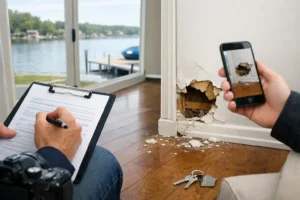
A property can appear quiet while costly conditions develop behind the scenes. Documented inspections at appropriate points in the tenancy help identify unauthorized occupants, lease compliance issues, deferred maintenance, and property-condition changes. They also create a factual record that supports fair communication with residents.
Inspection findings should lead to action, not just a file. If a minor exterior issue is found, schedule the repair. If a lease concern is identified, address it professionally and document the communication. If a resident has taken good care of the home, that information can inform renewal planning.
Owners also need reporting that answers practical questions: What rent was collected? What expenses were incurred? Which work orders remain open? Are there outstanding balances? What activity affected the property’s monthly performance? Organized financial reporting helps owners evaluate cash flow, plan repairs, and prepare records for their tax professional without reconstructing the year from emails and receipts.
Retention Often Produces Better Economics Than Turnover
Turnover is more than a vacant month. It can include cleaning, repairs, advertising, showings, screening, administrative work, and the uncertainty of finding the next qualified resident. Sometimes turnover is necessary, especially when a resident is not meeting lease obligations or the property needs substantial work. But unnecessary turnover erodes returns.
Retention begins with the fundamentals: responsive maintenance, respectful communication, accurate account records, and reasonable renewal planning. Residents are more likely to renew when the property is maintained and management follows through. Owners are more likely to retain good residents when they receive timely information about renewal decisions and current market conditions.
That does not mean approving every request or avoiding rent adjustments. It means making decisions with the full cost of turnover in view rather than treating renewal as an automatic administrative event.
What Owners Should Expect From a Management Partner
Full-service management should provide a single accountable operating structure across leasing, resident communication, maintenance coordination, inspections, rent collection, reporting, and compliance-focused administration. Technology can improve visibility and response times, but it does not replace judgment, local market knowledge, or follow-through.
For rental owners in West Bloomfield, Bloomfield Hills, Birmingham, Farmington Hills, Novi, Troy, and surrounding Southeast Michigan communities, the practical question is whether the management process gives them control without requiring them to run every daily detail. Zamzam Property Management approaches that work as an investment function: protect the asset, keep operations organized, and make property performance easier to see.
A well-managed rental does not stay profitable because nothing goes wrong. It performs better because problems are noticed early, handled consistently, and documented clearly. That is the standard owners should use when evaluating how their property is being managed.
Tools for Rental Owners
Find out what your home could rent for, then run the numbers.
- How our pricing works
- Rental property ROI calculator
- Rent vs. sell calculator
- Vacancy loss calculator
- Management savings calculator
- Metro Detroit rent report
- Michigan Landlord Guide
- Out-of-state owners