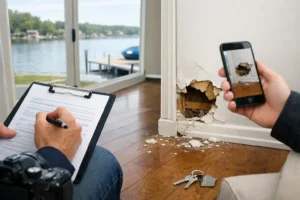
A small water stain beneath a Farmington Hills rental’s kitchen sink can become a cabinet replacement, flooring claim, and resident dispute if no one sees it early. That is why Michigan landlord inspection rights matter to more than compliance. Used correctly, inspections are an asset-protection system: they identify maintenance issues while repairs are still manageable, create a factual property record, and help preserve a professional resident relationship.
The key word is correctly. An inspection is not an open-ended right to enter a resident’s home whenever an owner wants. In Michigan, access should be grounded in the lease, conducted for a legitimate business reason, communicated clearly, and handled consistently across every unit. That discipline reduces operating risk while protecting the condition and income-producing life of the property.
Michigan Landlord Inspection Rights and Lease Terms
Michigan does not prescribe one universal statewide advance-notice period for every routine landlord entry. For most occupied residential rentals, the lease is the starting point. A well-written lease should explain when the owner or manager may enter, what purposes permit entry, how notice will be delivered, and how emergencies are handled.
Common legitimate reasons for entry include scheduled maintenance, repairs requested by the resident, periodic condition inspections, showing the home to prospective residents or buyers when permitted by the lease, and access required for an appraisal, insurance matter, or government inspection. The purpose should be specific. “Property inspection” is better than a vague message that leaves the resident wondering who will arrive and why.
Many professional operators use at least 24 hours of written notice for routine entry as an operating standard. That is often practical, respectful, and easier to document, but owners should not assume a customary notice period overrides their lease or a local requirement. Review the access clause before setting policy, and check for municipal rental registration or inspection rules that may apply to the property’s location.
For a single-family rental in Novi, Troy, Birmingham, or another Metro Detroit community, the lease and local rules can create different operational requirements. A portfolio should not rely on one informal approach across every municipality.
Emergency entry is different
An active water leak, fire, suspected gas leak, or another condition creating an immediate threat to people or the property requires a faster response than a quarterly inspection. Emergency access should be limited to addressing the immediate condition. The manager should record what happened, why entry was necessary, who entered, what corrective action was taken, and what follow-up is needed.
Calling a situation an emergency does not make every inconvenience one. A minor repair request, an overdue filter change, or a desire to check housekeeping is rarely a reason to enter without the notice and authority described in the lease.
Build a Repeatable Inspection Process
Inspections become more defensible and useful when they follow a consistent workflow rather than the availability of the owner or maintenance vendor. The resident should receive a written notice that states the date, a reasonable arrival window, the purpose of entry, and the name or role of the person entering. Keep a copy of that notice in the property file.
At the property, inspect the same core items every time. Focus on conditions that affect safety, habitability, deferred maintenance, and future repair cost: visible plumbing leaks, signs of moisture, smoke and carbon monoxide alarm status where applicable, HVAC filter and condensate concerns, exterior drainage, appliance condition, unauthorized alterations, and obvious damage.
Photographs should be dated, relevant, and tied to a location or condition. A photo of a leaking supply line or deteriorated caulk has operational value. A collection of intrusive or unnecessary photos does not. Respect for resident privacy is not just good customer service. It also keeps inspections focused on property condition rather than personal judgment.
After the visit, send a concise written follow-up. If no action is required, that confirmation closes the loop. If a repair is needed, state what will happen next. If the resident is responsible for a lease-related issue, identify the condition, reference the applicable lease requirement, provide a reasonable correction deadline where appropriate, and document all communication.
Separate Routine Inspections From Turnover Documentation
Routine inspections help owners catch developing issues during a tenancy. Turnover documentation has a different job: it establishes the property’s condition at the beginning and end of occupancy.
If a Michigan landlord collects a security deposit, the Michigan Security Deposit Act requires the landlord to provide an inventory checklist at the beginning of the tenancy. The resident has seven days after taking possession to return the checklist with any claimed condition issues. This move-in record matters because memory is not evidence months or years later.
Use the checklist alongside move-in photos, maintenance records, and signed acknowledgments. At move-out, compare the condition carefully and distinguish ordinary wear from tenant-caused damage. A faded carpet path after normal use is not the same as a burn, pet damage, or a large unauthorized wall repair. Security-deposit accounting has its own statutory requirements and deadlines, so owners should use current Michigan guidance or qualified legal counsel before making deductions.
A pre-move-out walkthrough can be helpful when a resident agrees to schedule one, especially if it gives them a fair opportunity to address avoidable cleaning or repair issues. It should not replace a complete possession-day inspection and documented final accounting.
What Inspection Rights Do Not Allow
Access rights are not a workaround for a difficult tenancy. An owner or manager should not use repeated visits to pressure a resident, search personal belongings, retaliate after a maintenance complaint, or conduct inspections selectively based on a protected characteristic. Consistent standards matter. If one property receives a semiannual condition inspection, similarly situated properties should be managed under the same policy unless there is a documented operational reason to do otherwise.
Owners should also avoid self-help responses when access becomes difficult. If a resident refuses a properly noticed entry that is authorized by the lease, begin with a professional written communication and a documented attempt to reschedule. If the issue affects a necessary repair, safety condition, lender requirement, or legal obligation, seek advice on the appropriate next step rather than forcing access, changing locks, shutting off utilities, or escalating through confrontation.
Likewise, do not assume a property has been abandoned simply because communication has stopped or the home appears quiet. Michigan possession and eviction rules are separate from a landlord’s ordinary inspection process. Regaining possession without following the required process can create significant exposure.
Inspection Frequency Should Match Property Risk
More inspections are not automatically better. Excessive visits can frustrate dependable residents and consume management time without improving outcomes. Too few visits can allow small maintenance defects to become expensive capital repairs.
For many occupied homes, a scheduled periodic inspection paired with responsive maintenance access strikes a workable balance. Older properties, homes with known moisture concerns, properties where residents have reported recurring issues, or units with seasonal risks may need a more frequent plan. In Southeast Michigan, winter preparation deserves special attention. Exterior hose connections, furnace performance, attic or roof moisture signs, and vulnerable plumbing should not wait until a freeze or thaw exposes a problem.
The inspection calendar should also coordinate with lease renewal decisions. A documented condition review before renewal gives the owner a clearer view of upcoming maintenance, resident care of the home, and whether the asset needs work before another lease term begins.
Keep Local Compliance in the Operating File
Municipal requirements can add another layer to Michigan landlord inspection rights. Some communities require rental registration, certificates of compliance, or city inspections for certain rental properties. Requirements, renewal cycles, and enforcement practices can change, so owners should verify the current rules with the applicable local government before assuming a neighboring city’s process applies to their property.
Maintain one organized file for each unit with the lease access provision, notices of entry, inspection reports, photos, repair invoices, resident communications, and any municipal documentation. This record supports better maintenance planning and creates a clear timeline if a dispute arises.
For owners who want less exposure to the daily coordination, Zamzam Property Management treats inspections as part of a larger operating system: documented access, prompt maintenance follow-through, resident communication, and condition reporting that gives owners visibility without requiring them to manage every visit.
The most valuable inspection is rarely the one that finds a dramatic problem. It is the scheduled, well-documented visit that catches a minor issue early, assigns responsibility clearly, and keeps a performing rental from becoming an avoidable expense.