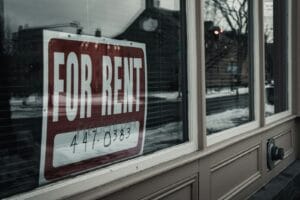
A vacant rental in Farmington Hills can look manageable on paper until the calls begin: a prospective resident wants a same-day showing, a current tenant reports a furnace issue during a cold stretch, and rent is late on the same week a mortgage payment is due. Farmington Hills property management is not simply collecting rent or finding a tenant. It is the operating system behind a residential asset – one that protects condition, occupancy, cash flow, and owner time.
For owners of single-family rentals and smaller multifamily properties, the right management approach starts with a clear reality: rental performance is built through dozens of routine decisions. Pricing, lead response time, screening consistency, maintenance authorization, inspection follow-through, documentation, and resident communication all affect the result. When those decisions are delayed or handled inconsistently, vacancy, turnover, and avoidable repair costs tend to follow.
What Farmington Hills Rental Owners Need From Management
Farmington Hills is not one uniform rental market. A home near Northwestern Highway may appeal to a different renter profile than a rental near Heritage Park, downtown Farmington, or the neighborhoods closer to West Bloomfield and Novi. Property layout, school preferences, commute patterns, condition, parking, and pet policies can all influence demand. A three-bedroom home with an attached garage may compete differently from a condo or a unit in a small multifamily building, even when the properties sit only a few miles apart.
That is why effective management begins with property-specific positioning rather than a generic rent estimate. The question is not only, “What rent could this property command?” Owners also need to consider what condition, lease terms, utility responsibilities, and resident expectations are required to support that asking rent. Overpricing can extend vacancy. Underpricing can reduce income and attract a larger volume of poorly matched inquiries. The goal is a defensible price and a leasing plan that brings in qualified prospects without sacrificing standards.
A disciplined operator should translate local market knowledge into execution: accurate listing details, professional presentation, prompt lead handling, organized showings, consistent application review, and a lease process that documents expectations before move-in. Those actions may sound basic, but they determine whether a vacancy becomes a productive rental or an extended carrying cost.
Leasing Is the First Asset-Protection Step
Fast leasing only helps when the resident is a sound fit for the property and the lease. Screening should be consistent, documented, and aligned with applicable fair housing requirements. It should also look beyond the first month of rent. A resident who understands the lease, has realistic expectations about maintenance responsibilities, and communicates early about concerns is generally easier to retain than one rushed into a poorly explained tenancy.
Move-in documentation matters just as much. Clear condition records, photos, maintenance notes, and acknowledgment of the property’s rules create a baseline for the tenancy. Without that baseline, disputes over damage, cleaning, access, or security deposits become harder to resolve. For an owner, this is not paperwork for its own sake. It is evidence that protects the property and supports a more orderly turnover later.
Rent Collection Requires Consistency, Not Chasing
Reliable rent collection is built before the due date. Residents need clear payment instructions, timely reminders where appropriate, and a professional response when a balance is not paid. Owners need visibility into what was collected, what remains outstanding, and what action is being taken.
The challenge is balancing firmness with good judgment. Some payment issues are isolated and can be resolved through documented communication. Others indicate a pattern that requires prompt escalation. Allowing balances to drift without a defined process can weaken cash flow and make recovery more difficult. At the same time, a manager should not improvise legal notices or eviction steps. Michigan landlord-tenant requirements can change, and the facts of each tenancy matter.
For owners, the practical standard is simple: every delinquency should have a documented status, a next action, and a clear record of communication. If formal action becomes necessary, it should be handled with current legal guidance and proper procedures. This article is general information, not legal advice.
Maintenance Protects Income When It Is Managed Proactively
A maintenance request is rarely just a maintenance request. A slow response to a small leak can become drywall damage, mold concerns, resident frustration, and a more expensive turn. A delayed furnace repair can become an urgent habitability issue during a Michigan winter. On the other hand, approving every request without scope control, documentation, or cost review can erode net operating income.
Strong maintenance management combines responsiveness with controls. Residents should know how to report an issue and what qualifies as an emergency. Owners should receive communication appropriate to the repair, especially when a larger expense, replacement decision, or resident-caused damage is involved. Vendors need clear scopes of work, access coordination, and follow-up so the repair is actually completed rather than merely scheduled.
Preventive work deserves attention as well. Seasonal inspections of heating performance, exterior drainage, gutters, smoke and carbon monoxide devices, plumbing fixtures, and appliances can catch small problems before they interrupt a tenancy. The exact inspection plan depends on the property’s age, systems, and condition. A newer condominium and an older single-family home do not carry the same maintenance exposure.
Inspections Create Accountability Between Tenancies
Owners often learn about property condition too late – when a resident gives notice or a major repair is unavoidable. Periodic inspections help close that gap. They provide an opportunity to identify deferred maintenance, lease concerns, unauthorized occupants or pets, and resident-reported issues that did not make it through normal maintenance channels.
The purpose is not to create friction with good residents. It is to preserve the home, document condition, and address concerns while there is still time to act. Inspections must be scheduled and conducted in accordance with lease terms and applicable Michigan requirements regarding notice and entry. Good communication is essential: residents should understand the purpose of the visit, while owners should receive useful findings rather than vague updates.
At move-out, the same discipline protects the next leasing cycle. A detailed assessment can separate ordinary wear from potential tenant damage, build a defined scope for turnover work, and help the owner decide which upgrades are worth completing before relisting. Not every improvement produces the same return. Repainting worn walls and correcting visible maintenance issues may support marketability, while a full renovation may not make sense for every asset or tenant profile.
Financial Reporting Should Answer Owner Questions
A monthly statement is valuable only if it helps an owner make decisions. At a minimum, reporting should show rent received, outstanding balances, maintenance expenses, management activity, and the property’s available funds. Organized records also reduce year-end stress and make it easier for an owner to review recurring costs or compare results across multiple rentals.
Owners should look for patterns, not just individual transactions. Is one property generating repeated plumbing calls? Has turnover work increased? Are rent increases being evaluated at renewal based on current condition and local demand? Is a vacancy taking longer than expected because of price, presentation, access, or screening standards? These are operating questions, and they should be visible in the reporting and communication process.
For portfolio owners, consistency becomes even more valuable. The systems used for one Farmington Hills rental should be repeatable across homes in nearby communities such as Novi, West Bloomfield, Birmingham, and Troy, while still accounting for the differences in each property. That is how management becomes scalable without becoming impersonal.
Compliance Is an Ongoing Operating Function
Michigan rental rules, fair housing obligations, security deposit handling, notices, lease language, and local property requirements can carry real consequences when handled casually. Owners should not assume an old lease template, a verbal agreement, or a process copied from another state will protect them. Requirements may depend on the property, municipality, tenancy, and current law.
A capable property manager keeps compliance connected to daily operations. That includes using consistent leasing procedures, maintaining records, documenting resident communication, responding appropriately to repair concerns, and seeking qualified legal direction when a matter moves beyond standard management. Owners should also confirm any current local registration, inspection, or rental-related requirements that may apply to their specific Farmington Hills property.
The value of professional management is not that problems never occur. Residents move, appliances fail, and market conditions change. The value is having a defined response before a small issue becomes an expensive distraction.
Zamzam Property Management approaches residential rentals as operating assets, with attention to leasing execution, maintenance oversight, resident communication, reporting, and risk control. For a Farmington Hills owner, the useful next step is a candid review of the property’s current rent position, condition, vacancy exposure, and management gaps – then a plan built around the performance of that specific asset.