Ask ten landlords about security deposits, and you’ll probably get ten different answers.
Some believe they can deduct anything they want. Others avoid making deductions altogether because they’re worried about getting sued.
The truth is somewhere in the middle.
Michigan has specific laws that govern how residential security deposits are collected, handled, and returned. Understanding those rules isn’t just about compliance, it’s one of the best ways to protect both your investment and your relationship with your tenants.
Whether you own one rental home or several throughout Metro Detroit, following the proper process can prevent costly disputes after a tenant moves out.
What Is a Security Deposit?
A security deposit is money collected from a tenant to help protect the landlord against certain financial losses that may occur during the lease.
It is not an extra month’s rent.
Instead, it serves as protection against things such as:
- Unpaid rent
- Physical damage beyond normal wear and tear
- Certain unpaid utility charges if permitted by the lease
- Other lawful deductions allowed under Michigan law and the lease agreement
Understanding the difference between legitimate damage and ordinary wear is one of the most important responsibilities a landlord has.
Michigan Limits the Amount You Can Collect
Michigan law limits the maximum amount a landlord may collect as a security deposit.
Currently, landlords generally may not collect more than one and one-half months’ rent as a security deposit for a residential lease.
For example:
If monthly rent is $2,000, the maximum security deposit is generally $3,000.
Always verify current legal requirements before drafting a lease or collecting deposits.
Wear and Tear vs. Damage
This is where many disagreements begin.
Normal Wear and Tear
Examples may include:
- Minor carpet wear
- Small nail holes from hanging pictures
- Faded paint from sunlight
- Worn flooring from everyday use
- Minor scuff marks
These conditions naturally occur as someone lives in the home.
Damage
Damage generally results from negligence, misuse, or intentional actions.
Examples include:
- Large holes in drywall
- Broken doors
- Missing appliances
- Pet damage
- Broken windows
- Burned countertops
- Significant unauthorized alterations
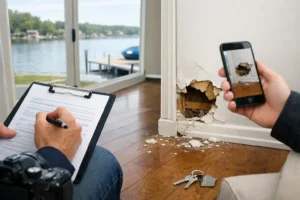
Proper documentation helps distinguish between the two.
Documentation Is Your Best Protection
One of the smartest things a landlord can do is document the property’s condition before move-in.
Take clear photographs of:
- Every room
- Flooring
- Walls
- Appliances
- Bathrooms
- Kitchen
- Garage
- Basement
- Exterior
We also recommend recording a walkthrough video while describing the property’s condition.
Months, or even years, later, you’ll have a much stronger record if questions arise about damage.
Conduct a Thorough Move-Out Inspection
When a tenant vacates, inspect the property carefully before making any deductions.
Compare the home’s condition with:
- Move-in photos
- Move-in inspection forms
- Maintenance records
- Repair invoices
Avoid making assumptions.
Document everything carefully.
Keep Receipts
If deductions are made because repairs were necessary, maintain documentation supporting those costs.
Examples include:
- Contractor invoices
- Material receipts
- Plumbing bills
- Carpet replacement invoices
- Appliance repair invoices
Good records protect everyone involved.
Pro Tip
One mistake we see is landlords waiting several weeks before inspecting the property after a tenant moves out.
Inspect the property as soon as reasonably possible.
The longer you wait, the harder it becomes to determine what occurred during the tenancy versus afterward.
Immediate documentation is almost always your strongest evidence.
Don’t Skip Routine Property Inspections During the Lease
Many disputes could have been avoided if maintenance issues had been identified earlier.
Routine inspections help landlords discover:
- Plumbing leaks
- Unauthorized occupants
- Pet damage
- Water intrusion
- Deferred maintenance
Addressing problems early often prevents much larger deductions later.
Communication Prevents Disputes
Security deposit disagreements usually become more difficult when communication breaks down.
If repairs are necessary, document:
- The issue.
- Why the repair was required.
- The cost.
- Supporting photographs.
Professional, organized communication often resolves questions before they become legal disputes.
Common Mistakes Michigan Landlords Make
Treating the Deposit Like Extra Rent
Security deposits have specific legal purposes.
They shouldn’t be viewed as additional rental income.
Failing to Document the Property
Without photos, videos, and inspection reports, proving damage becomes significantly more difficult.
Forgetting Small Repairs
Minor issues discovered during routine inspections are usually much cheaper than major repairs after move-out.
Poor Recordkeeping
Organized files make security deposit administration much easier.
Keep:
- Lease agreements
- Inspection reports
- Maintenance history
- Repair invoices
- Photographs
- Correspondence
How Property Management Helps
Security deposit administration is one of those tasks that seems simple until a dispute occurs.
Professional property management often includes:
- Move-in documentation
- Routine inspections
- Maintenance coordination
- Organized recordkeeping
- Move-out inspections
- Security deposit administration consistent with Michigan law
These systems create consistency from one tenant to the next.
If you’re preparing to rent your home for the first time, our article Should You Rent or Sell Your Home in Metro Detroit? explains the financial considerations many homeowners overlook before becoming landlords.
If you’re still deciding whether professional management makes sense, our How Much Does Residential Property Management Cost in Metro Detroit? guide explains what services are typically included.
Frequently Asked Questions
How much can a landlord collect as a security deposit in Michigan?
Michigan law generally limits residential security deposits to one and one-half months’ rent.
Can landlords deduct for normal wear and tear?
Generally, no. Normal wear and tear is different from damage caused by negligence or misuse.
Should I photograph the property before move-in?
Absolutely. Detailed photographs and videos are some of the best ways to document the property’s condition.
Are receipts important?
Yes. Maintaining invoices and repair documentation helps support legitimate deductions if questions arise later.
Final Thoughts
Security deposits aren’t simply money held until the lease ends, they’re part of a larger process that protects both landlords and tenants.
The landlords who experience the fewest disputes are usually the ones who document everything, communicate clearly, perform regular inspections, and maintain organized records throughout the tenancy.
When handled properly, security deposit administration becomes routine instead of stressful, allowing you to focus on protecting your investment and providing a well-maintained home for your residents.