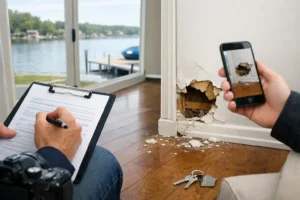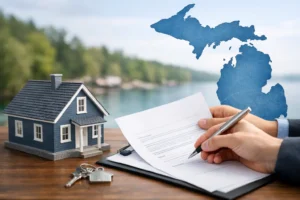
Owning rental property in Warren can be an excellent long-term investment, but every landlord should understand how Warren rental inspections fit into the overall management process. Whether you own a single-family home or a growing portfolio, staying ahead of inspections helps protect your investment, reduce vacancies, and provide a safer home for your tenants.
One of the biggest mistakes landlords make is waiting until an inspection is scheduled before looking for problems. By then, even minor repairs can delay approvals, extend vacancies, and increase maintenance costs.
The good news is that most inspection issues are preventable. A well-maintained property is far more likely to pass an inspection the first time and remain attractive to quality tenants.
Why Warren Rental Inspections Matter
Rental inspections aren’t just about satisfying local requirements. They’re designed to verify that rental housing is safe, functional, and properly maintained.
For landlords, inspections can actually be beneficial because they often uncover maintenance issues before they become expensive repairs.
A successful inspection can help:
- Protect your property’s value.
- Improve tenant satisfaction.
- Reduce emergency maintenance.
- Minimize liability.
- Keep your rental business running smoothly.
Rather than viewing inspections as an obstacle, think of them as part of a long-term maintenance strategy.
What Inspectors Typically Evaluate
Every property is different, but inspectors generally focus on health, safety, and habitability.
Smoke and Carbon Monoxide Detectors
Smoke detectors should be installed where required and tested regularly.
Carbon monoxide detectors should also be operational when required by applicable codes.
Replacing batteries once a year is inexpensive and can prevent unnecessary inspection issues.
Heating System
Michigan winters demand a reliable heating system.
Inspectors may verify that:
- The furnace operates properly.
- Heat reaches the living areas.
- Heating equipment appears safe.
- Thermostats function correctly.
Scheduling annual furnace maintenance before winter is one of the best investments a landlord can make.
Plumbing
Water leaks are one of the most common maintenance problems.
Inspectors often look for:
- Leaking faucets
- Running toilets
- Water damage
- Proper drainage
- Functional plumbing fixtures
Even a slow drip can lead to damaged flooring, mold growth, or cabinet deterioration if ignored.
Electrical Components
Electrical safety is another major focus.
Items commonly reviewed include:
- Missing outlet covers
- Loose outlets
- Damaged switches
- Exposed wiring
- Properly functioning light fixtures
Electrical repairs are usually much less expensive when addressed early.
Doors and Windows
Doors and windows should operate smoothly and lock securely.
Inspectors may also look for:
- Broken glass
- Missing screens where applicable
- Damaged weatherstripping
- Windows that won’t open
- Entry doors that don’t latch correctly
These issues affect both safety and energy efficiency.
Handrails and Stairways
Loose railings and damaged stairs are common reasons for correction notices.
Take time to verify:
- Railings are secure.
- Steps are level.
- Concrete isn’t crumbling.
- Trip hazards have been corrected.
These repairs are often simple but significantly improve tenant safety.
Common Reasons Properties Need Corrections
Many landlords assume inspection failures involve major structural issues.
In reality, many correction notices involve routine maintenance that has simply been overlooked.
Some of the most common include:
- Burned-out light bulbs
- Missing smoke detectors
- Broken GFCI outlets
- Peeling paint
- Loose toilets
- Missing handrails
- Damaged flooring
- Broken window locks
- Plumbing leaks
- Inoperable exhaust fans
Addressing these items before an inspection can save both time and money.
Preparing Your Property Before an Inspection
Preparation doesn’t have to be complicated.
A walkthrough several weeks before the inspection can identify most issues.
Consider using this checklist:
- Test every smoke detector.
- Check carbon monoxide detectors.
- Verify every window opens and closes.
- Replace burned-out bulbs.
- Test every faucet and toilet.
- Inspect under sinks for leaks.
- Tighten loose handrails.
- Replace missing outlet covers.
- Confirm the furnace operates correctly.
- Walk the exterior looking for trip hazards.
Many experienced landlords create their own inspection checklist and use it before every tenant turnover.
The Value of Preventive Maintenance
Successful rental ownership isn’t about reacting to problems, it’s about preventing them.
Developing a routine maintenance schedule helps reduce emergency repairs while improving tenant satisfaction.
Examples include:
- Furnace servicing every year.
- HVAC filter replacement.
- Gutter cleaning.
- Roof inspections.
- Water heater maintenance.
- Exterior grading inspections.
- Caulking around windows and doors.
Preventive maintenance often costs significantly less than waiting for something to fail.
Between-Tenant Inspections Are Critical
Vacant periods provide an excellent opportunity to inspect every part of the property.
Before a new tenant moves in:
- Open every window.
- Test every outlet.
- Check every appliance.
- Inspect under sinks.
- Flush every toilet.
- Operate every faucet.
- Verify every door locks properly.
- Look for signs of moisture.
This proactive approach reduces maintenance requests after move-in and helps new tenants start their lease with confidence.
Keeping Good Records
Documentation is an overlooked part of successful property management.
Keep records of:
- Furnace maintenance
- Plumbing repairs
- Roof work
- Electrical upgrades
- Appliance replacements
- Contractor invoices
- Inspection reports
Organized records make future maintenance decisions easier and provide valuable documentation if questions arise later.
Should You Hire a Property Manager?
Many landlords handle inspections themselves, especially when they own only one or two rentals.
However, as a portfolio grows, coordinating inspections, contractors, maintenance, and tenant communication becomes increasingly time-consuming.
A professional property manager can assist with:
- Coordinating inspections.
- Scheduling contractors.
- Performing routine property evaluations.
- Tracking maintenance history.
- Communicating with tenants.
- Helping reduce vacancy between leases.
For busy investors, these systems often save more time than expected.
Frequently Asked Questions
How often should I inspect my rental property?
Even outside of municipal inspections, landlords should perform routine property evaluations at least once or twice each year, while also complying with Michigan law and the terms of the lease regarding property access.
What should I fix before scheduling an inspection?
Focus first on health and safety concerns such as smoke detectors, plumbing leaks, heating systems, electrical issues, and trip hazards. Cosmetic improvements are valuable but should not replace necessary safety repairs.
Can preventive maintenance really reduce costs?
Yes. Small repairs completed early often prevent larger problems such as water damage, structural deterioration, or emergency service calls.
Is a professional inspection worthwhile before the City’s inspection?
Many experienced landlords and property managers perform their own walkthrough or hire qualified professionals to identify issues before an official inspection takes place.
Final Thoughts
Passing a Warren rental inspection isn’t about luck. It’s about consistent maintenance, regular property evaluations, and addressing small issues before they become expensive problems.
The most successful landlords don’t wait until the City schedules an inspection to start making repairs. Instead, they maintain their properties year-round, communicate with tenants, and treat inspections as another part of protecting their investment.
With the right systems in place, inspections become far less stressful and much more predictable.